


 From Matins of St. Thomas, Apostle.
| The Psalms and Antiphons for the Second Nocturn are taken from the Common | |
Absolutio: Ipsíus píetas et misericórdia nos ádjuvet, qui cum Patre et Spíritu Sancto vivit et regnat in sæcula sæculórum. R. Amen. | Absolution: May his loving-kindness and mercy assist us. Who, with the Father, and the Holy Ghost, liveth and reigneth, for ever and ever. R. Amen. |
V. Jube domne, (Dómine) benedícere. | V. Vouchsafe, Reverend Father (O Lord), thy blessing. |
Benedíctio 4: Deus Pater omnípotens sit nobis propítius et clemens. R. Amen. | Benediction 4: May God the Father Almighty shew us his mercy and pity. R. Amen. |
| Lesson iv | |
 | |
Thomas Apóstolus, qui et Dídymus, Galilæus, post accéptum Spíritum Sanctum in multas províncias proféctus est ad prædicándum Christi Evangélium : Parthis, Medis, Persis, Hyrcánis et Bactris christiánæ fídei et vitæ præcépta trádidit. Postrémo ad Indos se cónferens, eos in christiána religióne erudívit. Qui ad extrémum, vitæ doctrinæque sanctitáte et miraculórum magnitúdine, cum céteris ómnibus suis admiratiónem et Jesu Christi amórem commovísset ; illíus gentis regem, idolórum cultórem, magis ad iram accéndit : cujus senténtia condemnátus, telísque confóssus, Calamínæ apostolátus honórem martyrii coróna decorávit. | The Apostle Thomas, called Didymus, or the Twin, was a Galilean. After the descent of the Holy Ghost, he went into many provinces to preach Christ's Gospel. He gave knowledge of the rules of Christian faith and life to the Parthians, Medes, Persians, Hyrcanians, and Bactrians. He went last to the East Indies. Here he provoked the anger of one of the idolatrous kings, because the holiness of his life and teaching, and the number of his miracles, drew many after him, and brought them to the love of Christ Jesus. He was therefore condemned, and slain with lances. He crowned the dignity of the Apostleship with the glory of martyrdom, on the Coromandel coast, not far from Madras. |
V. Tu autem, Dómine, miserére nobis. R. Deo grátias. | V. But thou, O Lord, have mercy upon us. R. Thanks be to God. |
 | |
R. Vidi conjúnctos viros, habéntes spléndidas vestes, et Angelus Dómini locútus est ad me, dicens: * Isti sunt viri sancti facti amíci Dei. V. Vidi Angelum Dei fortem, volántem per médium cælum, voce magna clamántem et dicéntem. R. Isti sunt viri sancti facti amíci Dei. | R. I saw men standing together, clothed in raiment white and glistering, and the Angel of the Lord spake unto me saying, * These men are holy, for they are the friends of God. V. And I saw a strong Angel of God flying in the midst of heaven, and the same did proclaim with a loud voice, saying: R. These men are holy, for they are the friends of God. |
V. Jube domne, (Dómine) benedícere. | V. Vouchsafe, Reverend Father (O Lord), thy blessing. |
Benedíctio 5: Christus perpétuæ det nobis gáudia vitæ. R. Amen. | Benediction 5: May Christ bestow upon us the joys of life eternal. R. Amen. |
| Lesson v | |
| Sermo sancti Gregórii Papæ | The Lesson is taken from a Sermon by St. Gregory the Pope |
| Homilia 30 in Evang., post med. | |
 | |
Scriptum est : Spíritus Dómini ornávit cælos. Ornaménta enim cælórum sunt virtútes prædicántium. Quæ vidélicet ornaménta Paulus enúmerat, dicens : Alii datur per Spíritum sermo sapiéntiæ, álii sermo sciéntiæ secúndum eúmdem Spíritum, álteri fides in eódem Spíritu, álii grátia sanitátum in uno Spíritu, álii operátio virtútum, álii prophetía, álii discrétio spirítuum, álii génera linguárum, álii interpretátio sermónum. Hæc autem ómnia operátur unus atque idem Spíritus, dívidens síngulis prout vult. | It is written : By his Spirit the Lord hath garnished the heavens. Now the garniture of the heavens are the godly powers of preachers, and this garniture, what it is, Paul teacheth us thus: To one is given by the Spirit the word of wisdom; to another the word of knowledge by the same Spirit; to another gifts of healing by the same Spirit; to another working of miracles; to another prophecy; to another discerning of spirits; to another divers kinds of tongues; to another the interpretation of tongues; but all these worketh that one and the selfsame Spirit, dividing to every man severally as he will. |
V. Tu autem, Dómine, miserére nobis. R. Deo grátias. | V. But thou, O Lord, have mercy upon us. R. Thanks be to God. |
 | |
R. Beáti estis, cum maledíxerint vobis hómines, et persecúti vos fúerint, et díxerint omne malum advérsum vos, mentiéntes, propter me: * Gaudéte et exsultáte, quóniam merces vestra copiósa est in cælis. V. Cum vos óderint hómines, et cum separáverint vos, et exprobráverint, et ejécerint nomen vestrum tamquam malum propter Fílium hóminis. R. Gaudéte et exsultáte, quóniam merces vestra copiósa est in cælis. | R. Blessed are ye when men shall revile you and persecute you, and shall say all manner of evil against you falsely for my sake: * Rejoice and be exceeding glad, for great is your reward in heaven. V. When men shall hate you, and when they shall separate you from their company, and shall reproach you, and cast out your name as evil for the Son of Man's sake. R. Rejoice and be exceeding glad, for great is your reward in heaven. |
V. Jube domne, (Dómine) benedícere. | V. Vouchsafe, Reverend Father (O Lord), thy blessing. |
Benedíctio 6: Ignem sui amóris accéndat Deus in córdibus nostris. R. Amen. | Benediction 6: May God enkindle in our hearts the fire of his holy love. R. Amen. |
| Lesson vi | |
 | |
Quot ergo sunt bona prædicántium, tot sunt ornaménta cælórum. Hinc rursus scriptum est : Verbo Dómini cæli firmáti sunt. Verbum enim Dómini, Fílius est Patris. Sed eósdem cælos, vidélicet sanctos Apóstolos, ut tota simul sancta Trínitas ostendátur operáta, repénte de Sancti Spíritus divinitáte adjúngitur : Et Spíritu oris ejus omnis virtus eórum. Cælórum ergo virtus de Spíritu sumpta est : quia : mundi hujus potestátibus contraíre non præsúmerent, nisi eos Sancti Spíritus fortitúdo solidásset. Quales namque doctóres sanctæ Ecclésiæ ante advéntum hujus Spíritus fúerint, scimus ; et post advéntum illíus, cujus fortitúdinis facti sint, conspícimus. | So much power then as have preachers, so much garniture have the heavens. Wherefore again it is written: By the word of the Lord were the heavens made. For the Word of the Lord is the Son of the Father. But, to the end that all the Holy Trinity may be made manifest as the Maker of the heavens (that is, of the Apostles), it is straightway added touching God the Holy Ghost : and all the host of them by the Breath of his mouth. Therefore the might of the same heavens is the might of the Spirit, for they had not braved the powers of this world, unless the strength of the Holy Ghost had comforted them. For we know what manner of men the Teachers of the Holy Church were before the coming of this Spirit : and since he came we see in whose strength they are made strong. |
V. Tu autem, Dómine, miserére nobis. R. Deo grátias. | V. But thou, O Lord, have mercy upon us. R. Thanks be to God. |
 | |
R. Isti sunt triumphatóres et amíci Dei, qui contemnéntes jussa príncipum, meruérunt præmia ætérna: * Modo coronántur, et accípiunt palmam. V. Isti sunt qui venérunt ex magna tribulatióne, et lavérunt stolas suas in sánguine Agni. R. Modo coronántur, et accípiunt palmam. V. Glória Patri, et Fílio, et Spirítui Sancto. R. Modo coronántur, et accípiunt palmam. | R. These are they which do celebrate an eternal triumph and are become the friends of God, who overcame the princes of this world in the service of him who rewardeth everlastingly : * And now they have crowns on their heads and palms in their hands. V. These are they which came out of great tribulation, and have washed their robes in the blood of the Lamb. R. And now they have crowns on their heads and palms in their hands. V. Glory be to the Father, and to the Son, and to the Holy Ghost. R. And now they have crowns on their heads and palms in their hands. |
 The unimposing tomb of St. Thomas the Apostle in Mylapore Cathedral, Madras, India | |

Absolution: May the Lord Almighty and merciful break the bonds of our sins and set us free. R. Amen. | |
V. Jube domne, (Dómine) benedícere. | V. Vouchsafe, Reverend Father (O Lord), thy blessing. |
Benedíctio 7: Evangélica léctio sit nobis salus et protéctio. R. Amen. | Benediction 7: May the Gospel's holy lection be our safeguard and protection. R. Amen. |
| Lesson vii | |
| Léctio sancti Evangélii secúndum Lucam | The Lesson is taken from the Holy Gospel according to Luke |
| Chap. 3, 1-6 | |
Anno quintodécimo impérii Tibérii Cæsaris, procuránte Póntio Piláto Judæam. Et réliqua. | Now in the fifteenth year of the reign of Tiberius Caesar, Pontius Pilate being governor of Judaea. And so on, and that which followeth. |
 | |
| De Homilía sancti Gregórii Papæ | A Homily by St. Gregory the Pope |
| Homilía 20 in Evangelia ante medium | |
Dicébat Joánnes ad turbas, quæ exíbant ut baptizaréntur ab eo : Genímina viperárum, quis osténdit vobis fúgere a ventúra ira? Ventúra enim ira est animadvérsio ultiónis extrémæ : quam tunc fúgere peccátor non valet, qui nunc ad laménta pœniténtiæ non recúrrit. Et notándum, quod malæsóboles, malórum paréntum actiónem imitántes, genímina viperárum vocántur : quia per hoc quod bonis ínvident, eósque persequúntur, quod quibúsdam mala retríbuunt, quod læsiónes próximis exquírunt : quóniam in his ómnibus patrum suórum carnálium vias sequúntur, quasi venenáti fílii de venenátis paréntibus nati sunt. | John said unto the multitude, that came forth to be baptized of him : O generation of vipers, who hath warned you to flee from the wrath to come? The wrath to come in one sense signifieth the great vengeance of the Latter Day : the sinner that repenteth not of his sin now, will have no mean whereby to flee from punishment then. Let us remark that addressing evil children copying the example of evil parents, the Baptist calleth them a generation of vipers : in that they were envious at the righteous, and persecuted them ; that they repaid evil for evil ; that they hunted out ways of harming their neighbours,―in all these things following the pattern of carnal parents, the prophet likeneth them to a venomous brood hatched from a venemous stock. |
V. Tu autem, Dómine, miserére nobis. R. Deo grátias. | V. But thou, O Lord, have mercy upon us. R. Thanks be to God. |
R. Jurávi, dicit Dóminus, ut ultra jam non iráscar super terram : montes enim et colles suscipient justítiam meam, * Et testaméntum pacis erit in Jerúsalem. V. Juxta est salus mea, ut véniat : et justítia mea, ut revelétur. R. Et testaméntum pacis erit in Jerúsalem. | R. I have sworn, saith the Lord, that I will not be wroth any more with the earth ; for the mountains and the hills shall receive my righteousness : * And the covenant of my peace shall be in Jerusalem. V. My salvation is near to come, and my righteousness to be revealed. R. And the covenant of my peace shall be in Jerusalem. |
V. Jube domne, (Dómine) benedícere. | V. Vouchsafe, Reverend Father (O Lord), thy blessing. |
Benedíctio 8: Divínum auxílium máneat semper nobíscum. R. Amen. | Benediction 8: May help divine be with us all, for ever abiding. R. Amen. |
| Lesson viii | |
Sed quia jam peccávimus, quia usu malæconsuetúdinis involúti sumus : dicat quid nobis faciéndum sit, ut fúgere a ventúra ira valeámus. Séquitur : Fácite ergo fructus dignos pœniténtiæ. In quibus verbis notándum est, quod amícus Sponsi non solum fructus pœniténtiæ, sed dignos pœniténtiæ ádmonet esse faciéndos. Aliud namque est fructum fácere poeniténtiæ, áliud, dignum pœniténtiæ fructum fácere. Ut enim secúndum dignos pœniténtiæ fructus loquámur, sciéndum est, quia quisquis illícita nulla commísit, huic jure concéditur, ut lícitis utátur : sicque pietátis ópera fáciat, ut tamen si volúerit, ea quæ mundi sunt, non relínquat. | We also have sinned, we have fallen into wicked habits. What must we do, if we would flee from the wrath to come? Let us hear John. Bring forth fruits worthy of repentance. In which words let us remark that the Friend of the Bridegroom demandeth not only fruits of repentance, but fruits worthy of repentance. The former are one thing, and the latter another. In considering then what are fruits worthy of repentance, we may remark that if we had done nothing unlawful we might have had free use of things which are lawful, and been able to sanctify ourselves without abstaining from indulgence in the things of the world. |
V. Tu autem, Dómine, miserére nobis. R. Deo grátias. | V. But thou, O Lord, have mercy upon us. R. Thanks be to God. |
R. Non discédimus a te, vivificábis nos, Dómine, et nomen tuum invocábimus : * Osténde nobis fáciem tuam, et salvi érimus. V. Meménto nostri, Dómine, in beneplácito pópuli tui : vísita nos in salutári tuo. R. Osténde nobis fáciem tuam, et salvi érimus. | R. We will not go back from thee ; thou, O Lord, shalt quicken us, and we will call upon thy Name :* Shew the light of thy countenance, and we shall be saved. V. Remember us, O Lord, according to the favour that thou bearest unto thy people ; O visit us with thy salvation. R. Shew the light of thy countenance, and we shall be saved. |
V. Jube domne, (Dómine) benedícere. | V. Vouchsafe, Reverend Father (O Lord), thy blessing. |
Benedíctio 9: Ad societátem cívium supernórum perdúcat nos Rex Angelórum. R. Amen. | Benediction 9: May the King of Angels give us fellowship with all the citizens of heaven. R. Amen. |
| Lesson ix | |
At si quis in fornicatiónis culpam, vel fortásse, quod est grávius, in adultérium lapsus est : tanto a se lícita debet abscíndere, quanto se méminit et illícita perpetrásse. Neque enim par fructus boni óperis esse debet, ejus qui minus, et ejus qui ámplius delíquit : aut ejus qui in nullis, et ejus qui in quibúsdam facinóribus cécidit, et ejus qui in multis est lapsus. Per hoc ergo quod dícitur : Fácite fructus dignos pœniténtiæ : uniuscujúsque consciéntia convenítur, ut tanto majóra acquírat bonórum óperum lucra per pœniténtiam, quanto gravióra sibi íntulit damna per culpam. | But if any one, for example, hath fallen into fornication, or perhaps, into what is much worse, adultery, he ought to make up for his lawless pleasure by abstaining in some degree from lawful enjoyments. He that hath sinned less is not bound to mortify himself as much as he that hath sinned more, nor he that is innocent like him that is guilty. Let every one hearing these words : Bring forth fruits worthy of repentance, proceed to judge himself by his own conscience, and the more he perceiveth that he hath sinned, the greater penance let him do. |
V. Tu autem, Dómine, miserére nobis. R. Deo grátias. | V. But thou, O Lord, have mercy upon us. R. Thanks be to God. |
R. Intuémini, quantus sit iste, qui ingréditur ad salvándas Gentes : ipse est Rex justítiæ, * Cujus generátio non habet finem. V. Præcúrsor pro nobis ingréditur, secúndum órdinem Melchísedech Póntifex factus in ætérnum. R. Cujus generátio non habet finem. V. Glória Patri, et Fílio, et Spirítui Sancto. R. Cujus generátio non habet finem. | R. Consider how great this man is, who is entered in for the salvation of the nations ; he is the King of Righteousness, * Whose kingdom shall have no end. V. The Forerunner is for us entered, made an High Priest for ever after the order of Melchisedech. R. Whose kingdom shall have no end. V. Glory be to the Father, and to the Son, and to the Holy Ghost. R. Whose kingdom shall have no end. |
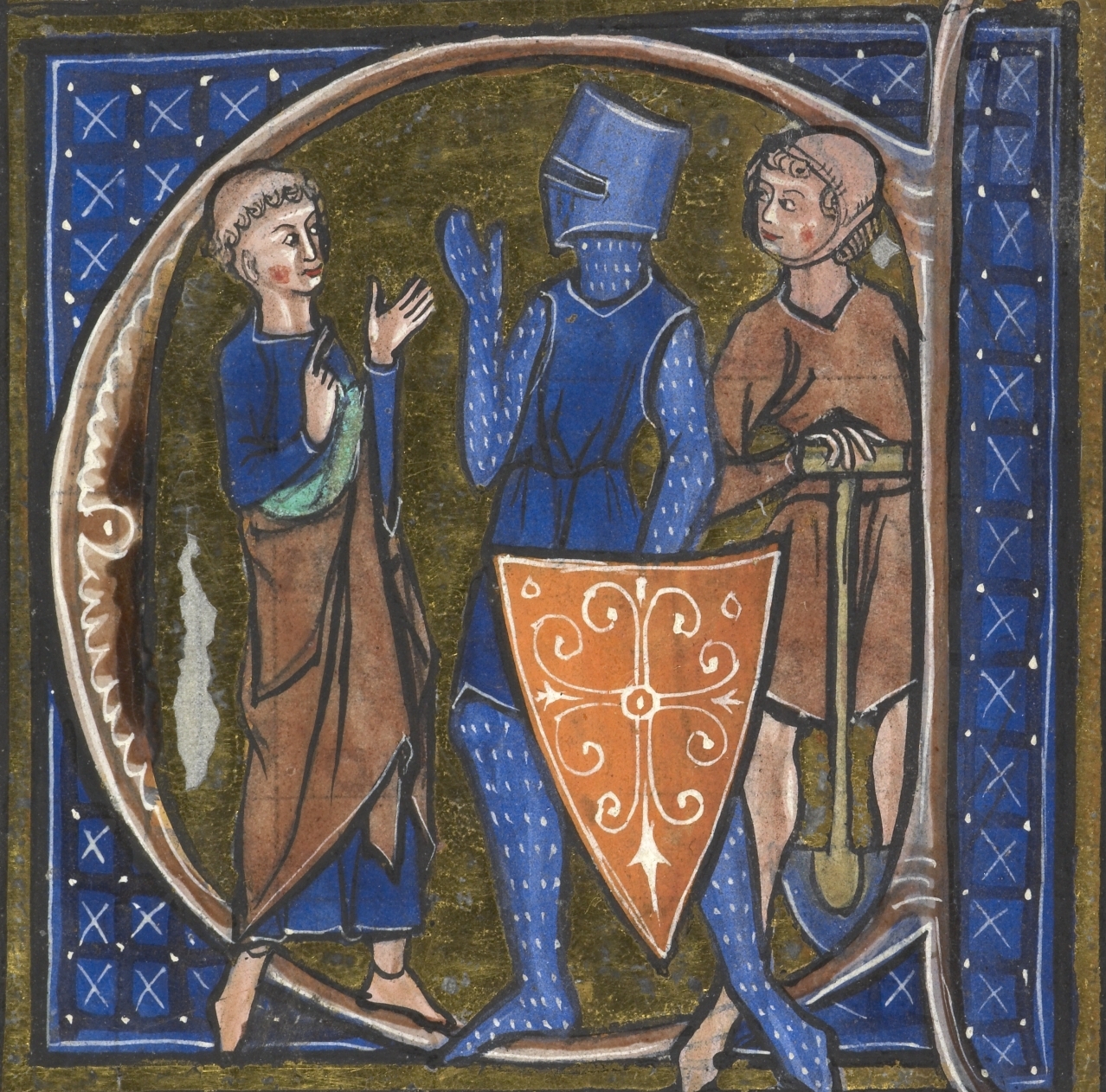

 Pius IX, Address to French Pilgrims (May 5, 1874), in J.M. Villefranche, Pio IX, (São Paulo: Ed. Panorama, 1948), pp. 372-373.
 I give you my blessing for the difficult but necessary task in which you are engaged, which consists of eliminating or diminishing a great affliction which plagues contemporary society: this is called universal suffrage.
From Pope Bl. Pius IX, Dogmatic Bull Ineffabilis Deus (On the Immaculate Conception)
I give you my blessing for the difficult but necessary task in which you are engaged, which consists of eliminating or diminishing a great affliction which plagues contemporary society: this is called universal suffrage.
From Pope Bl. Pius IX, Dogmatic Bull Ineffabilis Deus (On the Immaculate Conception)Absolutio: Ipsíus píetas et misericórdia nos ádjuvet, qui cum Patre et Spíritu Sancto vivit et regnat in sæcula sæculórum. R. Amen. | Absolution: May his loving-kindness and mercy assist us. Who, with the Father, and the Holy Ghost, liveth and reigneth, for ever and ever. R. Amen. |
V. Jube domne, (Dómine) benedícere. | V. Vouchsafe, Reverend Father (O Lord), thy blessing. |
Benedíctio 4: Deus Pater omnípotens sit nobis propítius et clemens. R. Amen. | Benediction 4: May God the Father Almighty shew us his mercy and pity. R. Amen. |
| Lesson iv | |
| Ex Bulla dogmática Pii Papæ noni | The Lesson is taken from the Dogmatic Bull of Pope Pius IX |
 | |
Ab antíquis tempóribus Sacrórum antístites, ecclesiástici viri, reguláres órdines ac vel ipsi imperatóres et reges ab hac apostólica Sede eníxe efflagitárunt, ut immaculáta sanctíssimæ Dei Genitrícis Concéptio véluti cathólicæ fídei dogma definirétur. Quæ postulatiónes hac nostra quoque ætáte iterátæ fuérunt, ac potíssimum felícis recordatiónis Gregório decimoséxto prædecessóri nostro, ac nobis ipsis oblátæ sunt tum ab epíscopis, tum a clero sæculári, tum a religiósis famíliis, ac summis princípibus et fidélibus pópulis. Nos ítaque singulári ánimi nostri gáudio hæc ómnia probe noscéntes ac sério considerántes, vix dum, licet immériti, arcáno divínæ providéntiæ consílio ad hanc sublímem Petri Cáthedram evécti, totíus Ecclésiæ gubernácula tractánda suscépimus, nihil certe antíquius habúimus, quam pro summa nostra vel a téneris annis erga sanctíssimam Dei Genitrícem Vírginem Maríam veneratióne, pietáte et afféctu, ea ómnia perágere, quæ adhuc in Ecclésiæ votis esse póterant, ut beatíssimæ Vírginis honor augerétur, ejúsque prærogatívæ uberióri luce nitérent. | From of old time continual prayers have been offered to this Apostolic See not only by Bishops, Churchmen, and the Regular Orders, but also by Emperors and Kings, beseeching that the sinlessness of the Conception of the Mother of God might be made the subject of a Dogmatic Definition. These prayers have been still more urgently addressed in recent times to our Predecessor, of happy memory, Gregory XVI, and to ourselves, by the Bishops, by the Secular Clergy, by the Regular Orders, and by the most eminent Christian Princes and nations. The knowledge of these things hath caused our heart to rejoice, and they have been the serious occupation of our thoughts ever since, in spite of our unworthiness, the inscrutable Providence of God was pleased to set us in this supreme Chair of Peter, and to put his Church into our hands, for us to govern. Since then, we have had nothing so much at heart as to yield to the desires of the Church in this matter, to the increasing of the veneration of which the most holy Virgin is already the object, and to the setting in a clearer light the singular graces with which God hath adorned her, being ourselves especially drawn to the same by the reverence, love, and affection with which we have been from our childhood animated towards the same most holy Virgin Mary, Mother of God. |
V. Tu autem, Dómine, miserére nobis. R. Deo grátias. | V. But thou, O Lord, have mercy upon us. R. Thanks be to God. |
R. Ego ex ore Altíssimi prodívi, primogénita ante omnem creatúram : ego feci in cælis, ut orirétur lumen indefíciens. * Nondum erant abyssi, et ego jam concépta eram. V. Deus enim creávit me in justítia, et apprehéndit manum meam, et servávit me. R. Nondum erant abyssi, et ego jam concépta eram. | R. I came out of the mouth of the Most High, the first-begotten before every creature : I made the unfading light to arise in the heavens. * Before ever were the depths, and I was already conceived. V. For the Lord hath created me in righteousness, and hath held mine hand, and hath kept me. R. Before ever were the depths, and I was already conceived. |
V. Jube domne, (Dómine) benedícere. | V. Vouchsafe, Reverend Father (O Lord), thy blessing. |
Benedíctio 5: Christus perpétuæ det nobis gáudia vitæ. R. Amen. | Benediction 5: May Christ bestow upon us the joys of life eternal. R. Amen. |
| Lesson v | |
 | |
Itaque plúrimum in Dómino confísi advenísse témporum opportunitátem pro immaculáta sanctíssimæ Dei Genitrícis Vírginis Maríæ Conceptióne definiénda, quam divína elóquia, veneránda tradítio, perpétuus Ecclésiæ sensus, singuláris catholicórum antístitum ac fidélium conspirátio, et insígnia prædecessórum nostrórum acta et constitutiónes mirífice illústrant atque declárant ; rebus ómnibus diligentíssime perpénsis et assíduis fervidísque ad Deum précibus effúsis, mínime cunctándum nobis esse censúimus, suprémo nostro judício immaculátam ipsíus Vírginis Conceptiónem sancíre, definíre, atque ita pientíssimis cathólici orbis desidériis, nostræque in ipsam sanctíssimam Vírginem pietáti satisfácere, ac simul in ipsa unigénitum Fílium suum Dóminum nostrum Jesum Christum magis atque magis honorificáre, cum in Fílium redúndet quidquid honóris et laudis in Matrem impénditur. | And now we trust in the Lord that the time is come to define as a truth of faith the doctrine of the stainless Conception of the most holy Virgin Mary, Mother of God, that doctrine already set forth by Holy Scripture, by the ancient tradition, by the unbroken belief of the Universal Church, by the one common opinion of the Catholic Episcopate and laity, and by the marked acts and decrees of our Predecessors. We have weighed everything in our mind, and we have without ceasing implored the help and light of God's Holy Spirit by earnest prayer, and we are of opinion that it is our duty no longer to delay, but by our Supreme Decision to settle and declare that the Virgin was conceived without sin, and thus to satisfy the godly cravings of the whole Christian world, as well as the instinct of our own love for the said most holy Virgin, and above all, because she is his Mother, to glorify our Lord Jesus Christ by this act, since whatever we do rightly to honour the Mother must redound to the glory of the Son. |
V. Tu autem, Dómine, miserére nobis. R. Deo grátias. | V. But thou, O Lord, have mercy upon us. R. Thanks be to God. |
R. Nihil inquinátum in eam incúrrit : * Candor est lucis ætérnæ et spéculum sine mácula. V. Est enim hæc speciósior sole, et luci comparáta invenítur púrior. R. Candor est lucis ætérnæ et spéculum sine mácula. | R. No defiled thing can come nigh unto her ; *For she is the brightness of the everlasting light, and the unspotted mirror of the power of God. V. She is more beautiful than the sun, and being compared with the light, she is found before it. R. For she is the brightness of the everlasting light, and the unspotted mirror of the power of God. |
V. Jube domne, (Dómine) benedícere. | V. Vouchsafe, Reverend Father (O Lord), thy blessing. |
Benedíctio 6: Ignem sui amóris accéndat Deus in córdibus nostris. R. Amen. | Benediction 6: May God enkindle in our hearts the fire of his holy love. R. Amen. |
| Lesson vi | |
 | |
Quare postquam numquam intermísimus in humilitáte et jejúnio privátas nostras et públicas Ecclésiæ preces Deo Patri per Fílium ejus offérre, ut Spíritus Sancti virtúte mentem nostram dirígere et confírmare dignarétur, imploráto univérsæ cæléstis cúriæ præsídio, et advocáto cum gemítibus Paráclito Spíritu, eóque sic aspiránte ; ad honórem sanctæ et indivíduæ Trinitátis, ad decus et ornaméntum Vírginis Deíparæ, ad exaltatiónem fídei cathólicæ et christiánæ religiónis augméntum, auctoritáte Dómini nostri Jesu Christi, beatórum Apostolórum Petri et Pauli, ac nostra, declarámus, pronuntiámus et definímus : Doctrínam quæ tenet beatíssimam Vírginem Maríam in primo instánti suæ Conceptiónis fuísse singulári omnipoténtis Dei grátia et privilégio, intúitu meritórum Christi Jesu Salvatóris humáni géneris, ab omni originális culpæ labe præservátam immúnem, esse a Deo revelátum, atque idcírco ab ómnibus fidélibus fírmiter constantérque credéndam. Quaprópter si qui secus ac a nobis definítum est, quod Deus avértat, præsúmpserint corde sentíre, ii nóverint ac porro sciant se próprio judício condemnátos, naufrágium circa fidem passos esse, et ab unitáte Ecclésiæ defercísse. | Wherefore, having in all fasting and humbleness of heart continually implored God the Father through his Blessed Son, to hear our own prayers and those his whole Church, and to teach and strengthen our mind by the power of his Holy Spirit, having begged the intercession of the Church Triumphant, and, above all, with groans called on the Holy Ghost the Comforter. We now, moved by him, for the honour of the Holy and Undivided Trinity, for the greater praise and exaltation of the Virgin Mother of God, the glory of the Catholic Faith, and the good of Christianity, in the name and authority of our Lord Jesus Christ, of the Blessed Apostles Peter and Paul, and in our own, declare and define that : That doctrine which declareth that the most blessed Virgin Mary was, in the first instant of her Conception, preserved, by a special grace and privilege granted to her by Almighty God, through the merits of Christ Jesus, Saviour of mankind, which he foreknew, from any stain of original sin, is a doctrine taught and revealed by God, and therefore from this time forth must be held by all faithful Christians firmly and constantly. Wherefore, if any one, which God forbid, shall at any time think in his heart any thing contrary to this our definition, let him know that he is condemned by his own judgment, that he hath made shipwreck of the faith, and that he hath cut himself off from the body of the Church. |
V. Tu autem, Dómine, miserére nobis. R. Deo grátias. | V. But thou, O Lord, have mercy upon us. R. Thanks be to God. |
R. Signum magnum appáruit in cælo : Múlier amícta sole, et luna sub pédibus ejus, * Et in cápite ejus coróna stellárum duódecim. V. Induit eam Dóminus vestiméntis salútis, induménto justítiæ, et quasi sponsam ornávit eam monílibus suis. R. Et in cápite ejus coróna stellárum duódecim. V. Glória Patri, et Fílio, et Spirítui Sancto. R. Et in cápite ejus coróna stellárum duódecim. | R. And there appeared a great wonder in heaven : a Woman clothed with the sun, and the moon under her feet, * And upon her head is a crown of twelve stars. V. The Lord hath clothed her with the garments of salvation, he hath covered her with the robe of righteousness, as a bride adorned with jewels. R. And upon her head is a crown of twelve stars. V. Glory be to the Father, and to the Son, and to the Holy Ghost. R. And upon her head is a crown of twelve stars. |
 From Pope Bl. Pius IX, Dogmatic Bull Ineffabilis Deus (On the Immaculate Conception)
Absolutio: Ipsíus píetas et misericórdia nos ádjuvet, qui cum Patre et Spíritu Sancto vivit et regnat in sæcula sæculórum. R. Amen. | Absolution: May his loving-kindness and mercy assist us. Who, with the Father, and the Holy Ghost, liveth and reigneth, for ever and ever. R. Amen. |
V. Jube domne, (Dómine) benedícere. | V. Vouchsafe, Reverend Father (O Lord), thy blessing. |
Benedíctio 4: Deus Pater omnípotens sit nobis propítius et clemens. R. Amen. | Benediction 4: May God the Father Almighty shew us his mercy and pity. R. Amen. |
| Lesson iv | |
| Ex Bulla dogmática Pii Papæ noni | The Lesson is taken from the Dogmatic Bull of Pope Pius IX |
| |
Omnes norunt quanto stúdio hæc de immaculáta Deíparæ Vírginis Conceptióne doctrína a spectatíssimis religiósis famíliis et celebrióribus theológicis academíis, ac præstantíssimis divinárum rerum sciéntia doctóribus fúerit trádita, assérta ac propugnáta. Omnes páriter norunt quantópere sollíciti fúerint Sacrórum antístites vel in ipsis ecclesiásticis convéntibus palam publicéque profitéri, sanctíssimam Dei Genitrícem Vírginem Maríam, ob prævísa Christi Dómini Redemptóris mérita, numquam origináli labe, et idcírco sublimióri modo redémptam. Quibus illud profécto gravíssimum et omníno máximum accédit, ipsam quoque Tridentínam synodum, cum dogmáticum de peccáto origináli éderet decrétum, quo juxta sacrárum Scripturárum sanctorúmque Patrum ac probatissimórum conciliórum testimónia státuit ac definívit : Omnes hómines nasci origináli culpa inféctos ; tamen solémniter declarásse : Non esse suæ intentiónis, in decréto ipso tantáque definitiónis amplitúdine comprehéndere beátam et immaculátam Vírginem Dei Genitrícem Maríam. Hac enim declaratióne Tridentíni Patres, ipsam beatíssimam Vírginem ab origináli labe solútam, pro rerum temporúmque adjúnctis, satis innuérunt, atque ádeo perspícue significárunt, nihil ex divínis lítteris, nihil ex traditióne, Patrúmque auctoritáte rite afférri posse, quod tantæ Vírginis prærogatívæ quovis modo refragétur. | It is known to all men, with what care this doctrine of the sinlessness of the conception of the Mother of God hath been handed down, set forth, and defended by the most distinguished Religious Orders, Theologians, Universities, and Doctors skilled in the things of God. All men know likewise how carefully Christian Bishops, even in their public teaching, have professed the doctrine that through the merits of Christ our Lord and Saviour, foreknown by God, the Holy Virgin Mary, Mother of God, was delivered from ever being the victim of original sin, but, on the contrary, had the fruits of redemption applied to her at the very moment of her Conception, and was therefore redeemed in a nobler way than other. But the weightiest fact of all is that the most holy Council of Trent, when, in accordance with the Holy Scriptures, as interpreted by the holy Fathers and the approved Councils, it decreed that all men are conceived in sin, expressly added that it did not mean thereby to say that the blessed and stainless Mary, Mother of God, did not form an exception to the rule. From this declaration of the Fathers of Trent it can clearly be drawn that there is nothing in the Bible, nothing in tradition, and nothing in the Fathers which can rightly be adduced against this prerogative of the most Blessed Virgin ; nay, as far as circumstances demanded, they as much as declared her free from the original stain. |
V. Tu autem, Dómine, miserére nobis. R. Deo grátias. | V. But thou, O Lord, have mercy upon us. R. Thanks be to God. |
R. Ego ex ore Altíssimi prodívi, primogénita ante omnem creatúram : ego feci in cælis, ut orirétur lumen indefíciens. * Nondum erant abyssi, et ego jam concépta eram. V. Deus enim creávit me in justítia, et apprehéndit manum meam, et servávit me. R. Nondum erant abyssi, et ego jam concépta eram. | R. I came out of the mouth of the Most High, the first-begotten before every creature : I made the unfading light to arise in the heavens. *Before ever were the depths, and I was already conceived. V. For the Lord hath created me in righteousness, and hath held mine hand, and hath kept me. R. Before ever were the depths, and I was already conceived. |
V. Jube domne, (Dómine) benedícere. | V. Vouchsafe, Reverend Father (O Lord), thy blessing. |
Benedíctio 5: Christus perpétuæ det nobis gáudia vitæ. R. Amen. | Benediction 5: May Christ bestow upon us the joys of life eternal. R. Amen. |
| Lesson v | |
 | |
Et re quidem vera hanc de immaculáta beatíssimæ Vírginis Conceptióne doctrínam quotídie magis gravíssimo Ecclésiæ sensu, magistério, stúdio, sciéntia ac sapiéntia tam spléndide explicátam, declarátam, confirmátam, et apud omnes cathólici orbis pópulos ac natiónes mirándum in modum propagátam, in ipsa Ecclésia semper exstitísse véluti a majóribus accéptam, ac revelátæ doctrínæ charactére insignítam, illústria venerándæ antiquitátis Ecclésiæ orientális et occidentális monuménta validíssime testántur. Equidem Patres Ecclesiæque scriptóres, cæléstibus edócti elóquiis, nihil antíquius habúere, quam in libris ad explicándas Scriptúras, vindicánda dógmata, erudiendósque fidéles elucubrátis, summam Vírginis sanctitátem, dignitátem, atque ab omni peccáti labe integritátem, ejúsque præcláram de tetérrimo humáni géneris hoste victóriam, multis mirísque modis certátim prædicáre atque efférre. | In truth, this doctrine upon the Conception of the most Blessed Virgin is day by day more earnestly set forth by the graver thought of the Church, by her teaching, by her care, by her learning, and by her wisdom. It is explained, taught, confirmed, and wonderfully spread among all peoples and nations of the Catholic world. The Church hath received it from the Fathers, as a part of the original faith, attested strongly by the most ancient and venerable monuments of both the Eastern and Western Churches. Indeed, the Fathers and Ecclesiastical writers, learned in Holy Scripture, are marked by no more earnest feature than that in all their books and Scriptural Commentaries, written for the confirmation of doctrine, and the edification of the faithful, they do all in divers ways preach and teach the excelling holiness of this Virgin, her dignity, her freedom from any stain of sin, and the glory of her victory over the dark enemy of our race. |
V. Tu autem, Dómine, miserére nobis. R. Deo grátias. | V. But thou, O Lord, have mercy upon us. R. Thanks be to God. |
R. Nihil inquinátum in eam incúrrit : * Candor est lucis ætérnæ et spéculum sine mácula. V. Est enim hæc speciósior sole, et luci comparáta invenítur púrior. R. Candor est lucis ætérnæ et spéculum sine mácula. | R. No defiled thing can come nigh unto her ; *For she is the brightness of the everlasting light, and the unspotted mirror of the power of God. V. She is more beautiful than the sun, and being compared with the light, she is found before it. R. For she is the brightness of the everlasting light, and the unspotted mirror of the power of God. |
V. Jube domne, (Dómine) benedícere. | V. Vouchsafe, Reverend Father (O Lord), thy blessing. |
Benedíctio 6: Ignem sui amóris accéndat Deus in córdibus nostris. R. Amen. | Benediction 6: May God enkindle in our hearts the fire of his holy love. R. Amen. |
| Lesson vi | |
 | |
Quaprópter enarrántes verba, quibus Deus præparáta renovándis mortálibus suæ pietátis remédia inter ipsa mundi primórdia prænúntians ; et deceptóris serpéntis rétudit audáciam et nostri géneris spem mirífice eréxit, ínquiens, Inimicítias ponam inter te et mulíerem, et semen tuum et semen illíus ; docuére, divíno hoc oráculo clare apertéque demonstrátum fuísse misericórdem humáni géneris Redemptórem, scílicet unigénitum Dei Fílium Christum Jesum, ac designátam beatíssimam ejus Matrem Vírginem Maríam, ac simul ipsíssimas utriúsque contra diábolum inimicítias insígniter expréssas. Quocírca sicut Christus Dei hominúmque mediátor, humána assúmpta natúra, delens quod advérsus nos erat chirógraphum decréti, illud cruci triumphátor affíxit ; sic sanctíssima Virgo, arctíssimo et indissolúbili vínculo cum eo conjúncta, una cum illo et per illum, sempitérnas contra venenósum serpéntem inimicítias exércens ac de ipso pleníssime triúmphans, illíus caput immaculáto pede contrívit. | All Commentators on the Book of Genesis remark that passage where God at the very time of the Fall speaketh of the Atonement, to the confusion of the lying serpent, and the comfortable hope of man, and saith : I will put enmity between thee and the woman, and between thy seed and her seed, and all the ancients teach that by this passage is meant the most merciful Saviour of mankind, namely, our Lord Jesus Christ, the Only-Begotten Son of God and his most blessed Mother the Virgin Mary, as if the enmity which both he and she felt against the devil was, in a sense, of a kind common to them both. Christ took our nature upon him, and is become the Mediator between God and man, blotting out the handwriting that was against us, nailing it to his Cross, and the most Holy Virgin, by that subtle, close, and abiding tie which bindeth mother to Child, feeleth along with him his truceless enmity to the serpent, and he, though his merits, hath granted to her that moment of victory wherein her stainless foot bruised the serpent's head. |
V. Tu autem, Dómine, miserére nobis. R. Deo grátias. | V. But thou, O Lord, have mercy upon us. R. Thanks be to God. |
R. Signum magnum appáruit in cælo : Múlier amícta sole, et luna sub pédibus ejus, * Et in cápite ejus coróna stellárum duódecim. V. Induit eam Dóminus vestiméntis salútis, induménto justítiæ, et quasi sponsam ornávit eam monílibus suis. R. Et in cápite ejus coróna stellárum duódecim. V. Glória Patri, et Fílio, et Spirítui Sancto. R. Et in cápite ejus coróna stellárum duódecim. | R. And there appeared a great wonder in heaven : a Woman clothed with the sun, and the moon under her feet, * And upon her head is a crown of twelve stars. V. The Lord hath clothed her with the garments of salvation, he hath covered her with the robe of righteousness, as a bride adorned with jewels. R. And upon her head is a crown of twelve stars. V. Glory be to the Father, and to the Son, and to the Holy Ghost. R. And upon her head is a crown of twelve stars. |

